Accessibility is where innovation starts
Leading organizations use accessibility as the foundation for better products, broader reach, and innovation.
Talk to us ↓The gap between intention and experience is growing.
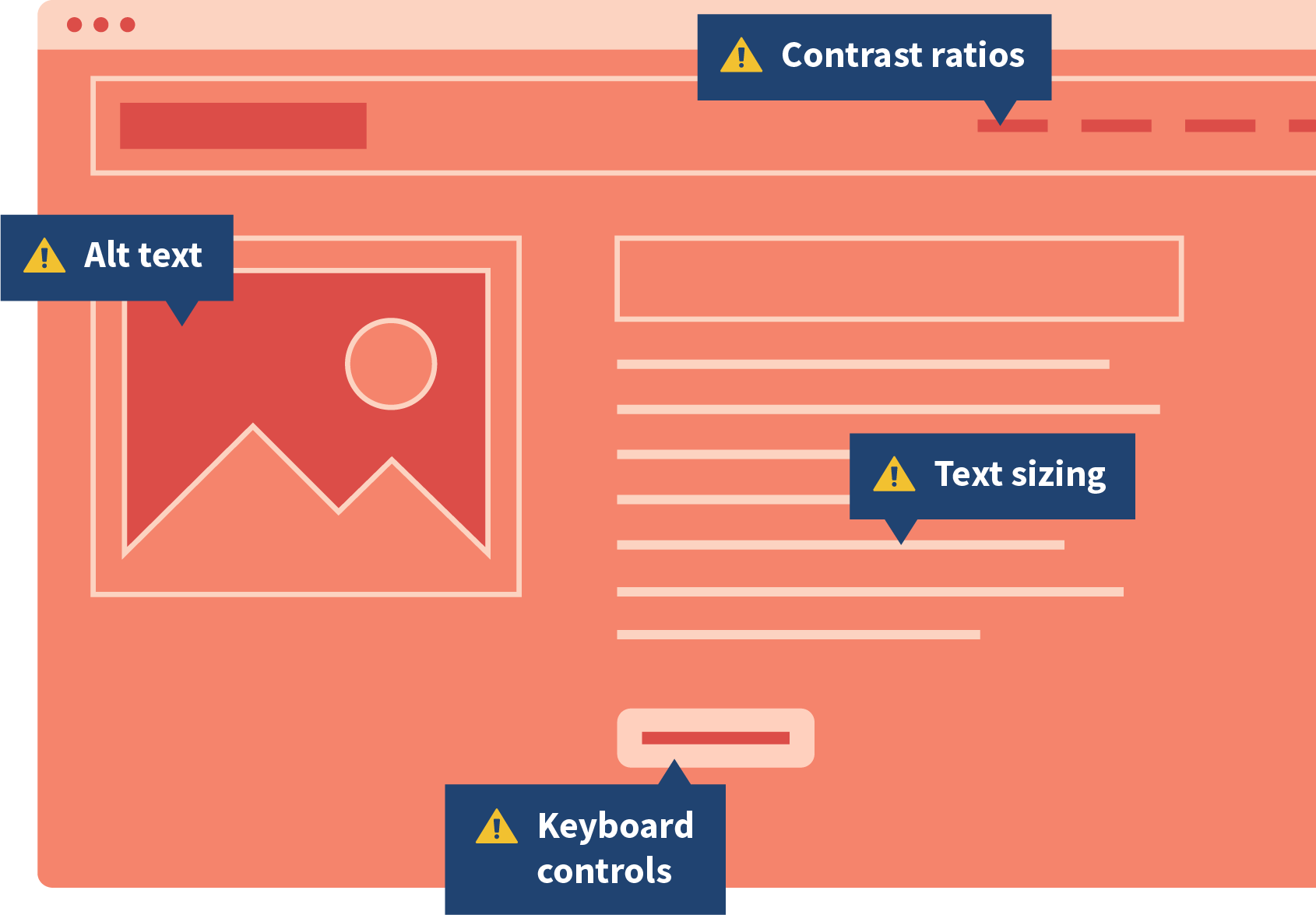
Most organizations believe their digital products are usable. But for the 1 in 4 adults living with a disability, the reality is different—broken forms, missing labels, inaccessible navigation. Small friction for some. Total barriers for others.
Regulations in the US and Canada are now catching up, with new requirements taking effect in 2026–2027. But compliance is just the floor. The real question: will your product be something people can use, or something they want to use?
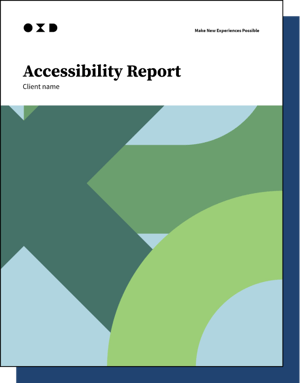
From assessment to action in 4–6 weeks
Know where you stand. A clear, prioritized picture of your accessibility gaps—what’s critical, what’s minor, and what’s already working.
Know what to do. Developer-ready guidance tied to WCAG standards, so your team can act without translation or guesswork.
Align your team. An executive summary and walkthrough session that gets leadership, design, and engineering on the same page.
$15,000
(Custom scoping available)
Talk to us ↓Accessibility isn’t the finish line. It’s the starting point.
Automated tools catch roughly 30–60% of accessibility issues. The rest require human judgment.
A scanner can flag a missing alt tag. It can’t tell you whether your checkout flow breaks for someone using a keyboard, whether your error messages make sense to a screen reader, or which fixes will actually move the needle for your users.
Why human validation matters
Automated tools can’t understand context. A scanner flags a pause button as “keyboard accessible but hidden from screen readers”—it can’t tell that this is intentional to reduce noise for assistive tech users while maintaining keyboard navigation.
They miss how content actually works. Automatic scans see individual logo images with alt text but can’t assess whether the reading experience makes sense to someone who can’t see the page—that requires human judgment and custom coding about information hierarchy.
False positives waste your team’s time. Automated reports flag contrast “issues” that pass accessibility standards when manually validated. Without expert review, your developers fix problems that don’t exist while missing the ones that do.
That’s what an audit is for.
Accessibility expertise that goes beyond the audit
We’ve been doing this since 2011—not because regulations required it, but because inclusive design is better design. Your audit is conducted by someone who understands your context, your constraints, and how your team actually works. When your developers have questions, we speak their language.
The organizations building for what’s next don’t treat accessibility as an afterthought.





Let’s find out where you stand.
Frequently asked questions
That’s exactly why prioritization matters. We’ll help you identify quick wins, strategic investments, and what can wait. You’ll have a set of priorities you can execute at your own pace.